Matcha is not stronger than coffee. A serving, 2 g of powder, has about 60–70 mg of caffeine. In EFSA’s examples, an espresso (60 ml) has about 80 mg and a cup of filter coffee (200 ml) about 90 mg. They differ mainly in flavour and preparation.
Caffeine in matcha and in coffee
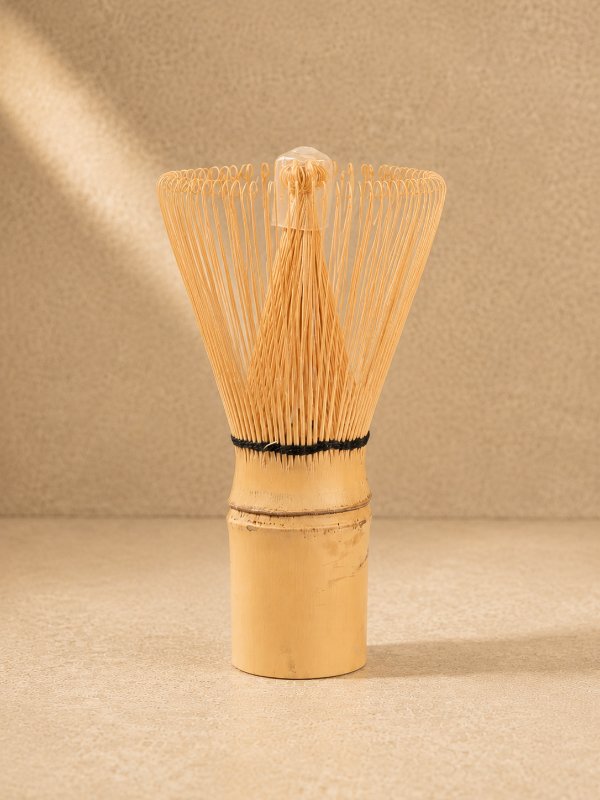
A serving of matcha is usually 2 g of powder: roughly a level teaspoon, or two full chashaku scoops.
‘Stronger than coffee’ is a myth that sells well. We’ve put the figures per gram, teaspoon and tablespoon in our article on how much caffeine is in matcha.
What about L-theanine?
Green tea leaves contain the amino acid L-theanine. Shaded leaves contain more of it, and matcha bushes are shaded for three to four weeks before harvest. Deprived of full sunlight, the plant makes more amino acids and fewer tannins — which is why good matcha is sweeter, not more bitter.
The effects often attributed to L-theanine have not been confirmed. In 2011 EFSA assessed claims about its effect on cognitive function, psychological stress and sleep and found no cause-and-effect relationship. So there is no basis for saying you will feel any different after matcha than after coffee.
Can you combine them?
Yes, but the caffeine from both adds up. A double espresso plus two servings of matcha is a lot of caffeine for one morning, and in the evening matcha’s caffeine acts like coffee’s. In EFSA’s opinion, up to 400 mg of caffeine a day from all sources raises no safety concerns for healthy adults; for pregnant and breastfeeding women the figure is 200 mg. Discuss your own limits with your doctor.
If you’re switching from coffee to matcha, it’s easier to swap one coffee a day than to give it all up at once. Cutting out caffeine suddenly can give you a headache.
Flavour: the other half of the decision
Coffee is bitter and roasted. Matcha is grassy, slightly sweet and has a creamy finish. If you’re expecting coffee in a different colour, you’ll be disappointed.
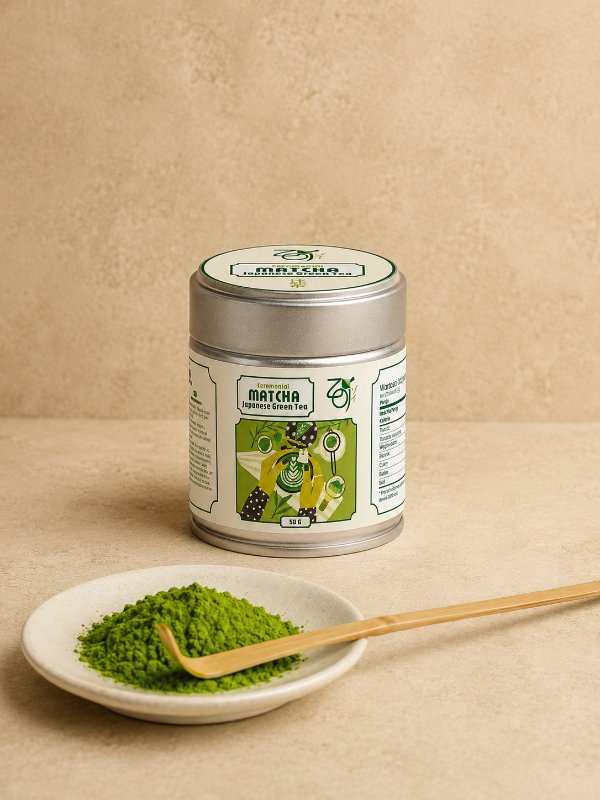
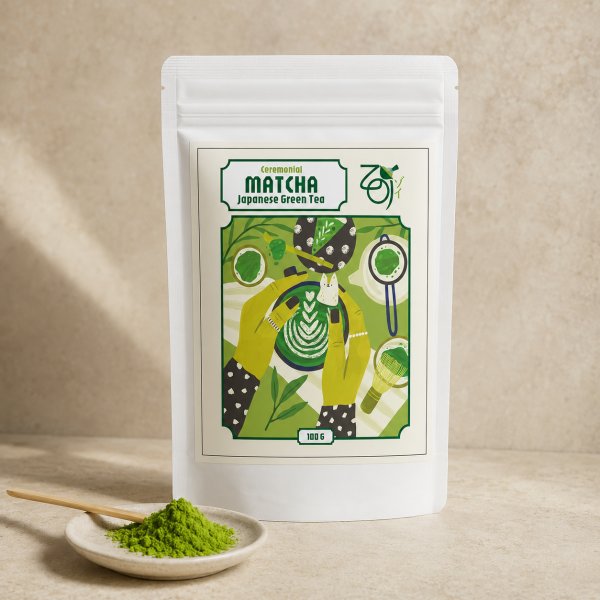
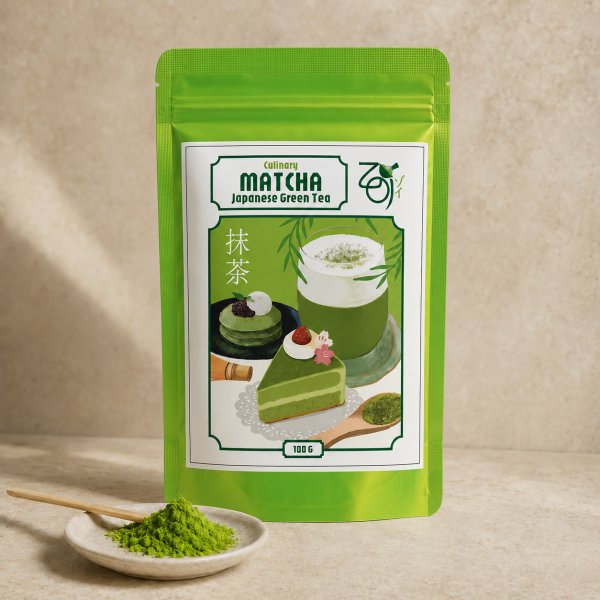
Start with ceremonial matcha, not culinary. Culinary is made for baking and milk — on its own, in water, it is distinctly bitter and easily puts people off. A 50 g tin and our usucha recipe, matcha with water only, are enough to begin.
Frequently asked questions
Does matcha contain more caffeine than coffee?
No. A 2 g serving of matcha has about 60–70 mg of caffeine. In EFSA’s examples, an espresso (60 ml) has about 80 mg and filter coffee (200 ml) about 90 mg.
Does L-theanine change how caffeine works?
That has not been confirmed, and no claim of that kind is authorised in the EU. When EFSA assessed claims about L-theanine’s own effect on cognitive function, psychological stress and sleep in 2011, it found no cause-and-effect relationship. Count matcha’s caffeine just like coffee’s.
Is matcha a good substitute for coffee?
For caffeine it’s similar: a 2 g serving has a little less than an espresso. For flavour it’s completely different: grassy and slightly sweet rather than bitter and roasted.
Can you drink matcha in the evening?
Matcha’s caffeine lasts just as long as coffee’s. If an afternoon coffee makes it hard to fall asleep, matcha will do the same.
How much caffeine is in a matcha latte?
As much as the matcha you put in: with 2 g of powder, about 60–70 mg. Milk adds no caffeine.
Which matcha should you start with?
Ceremonial. Culinary matcha is intended for baking and milk drinks — drunk on its own with water, it tastes distinctly bitter.